One Robotics Supply Group

INDUSTRIES / GOVERNMENT

Robotics for Government

Government and public-sector organizations operate facilities, infrastructure, utilities, warehouses, transportation assets, and field operations where robotics may support inspection, logistics, monitoring, and difficult-access work.

One Robotics Supply Group is building relationships and commercial infrastructure across the robotics ecosystem to help organizations evaluate, source, deploy, and support emerging robotic technologies.
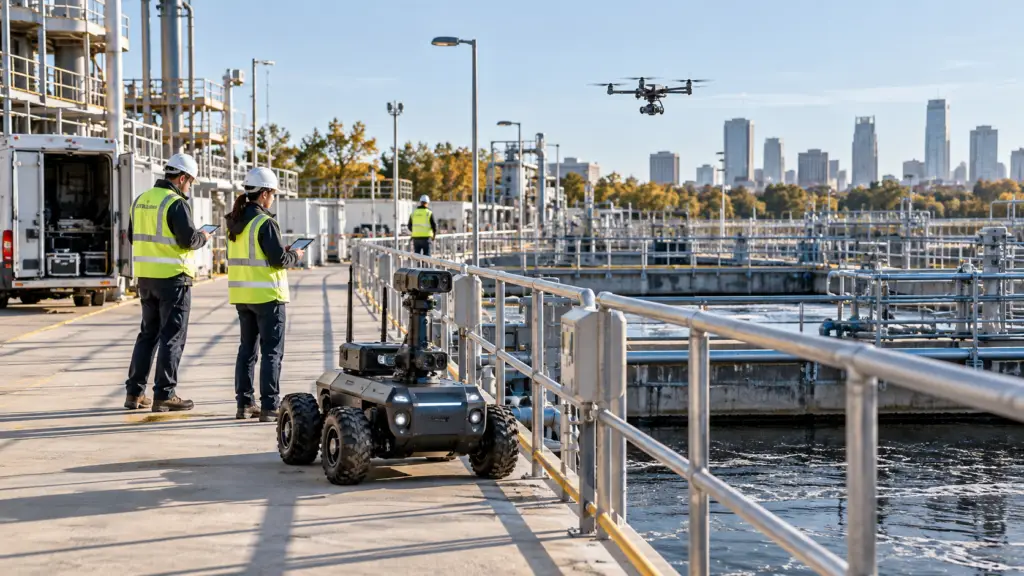

Autonomous inspection robots supporting public-sector infrastructure maintenance at a municipal utility facility with government operations staff

PUBLIC-SECTOR ROBOTICS

Robotics can support inspection, infrastructure, logistics, and public-sector field operations.

Government agencies and public-sector organizations manage infrastructure, facilities, transportation systems, utilities, emergency-response assets, warehouses, public spaces, and field operations with very different operating requirements.

Robotic systems may support inspection, mapping, monitoring, material movement, facility logistics, difficult-access work, emergency reconnaissance, and other tasks where repeatability or reduced human exposure is valuable.

Public-sector adoption also introduces procurement, interoperability, cybersecurity, accessibility, accountability, maintenance, training, and lifecycle requirements that can be as important as the robot itself.

GOVERNMENT APPLICATIONS

Where robotics may support government operations.

Infrastructure Inspection

Robotics may support inspection of bridges, tunnels, roads, public buildings, utilities, drainage systems, and other infrastructure.

Public Works & Maintenance

Autonomous or teleoperated systems may assist with selected monitoring, cleaning, mapping, or maintenance-support workflows.

Emergency & Hazardous Environments

Robotics may gather information or perform selected tasks in environments where reducing responder exposure is valuable.

Facilities & Internal Logistics

Mobile robots may support movement of supplies, materials, mail, equipment, or carts across larger public facilities.

Mapping & Documentation

Drones, ground robots, and sensor platforms may support surveying, scanning, documentation, and change detection.

Asset & Perimeter Monitoring

Robotic systems may support repeatable inspection or monitoring of public assets, storage areas, facilities, and selected secured environments.

THE TECHNOLOGY SHIFT

Public-sector robotics is broadening from specialized equipment to flexible operational platforms.

Government organizations have used specialized robots for bomb disposal, remote inspection, emergency response, and technical missions for many years.

Newer mobile, autonomous, and sensor-rich platforms are creating opportunities for routine operations such as infrastructure inspection, facility logistics, mapping, and maintenance support.

Future mobile manipulation and humanoid systems may expand the number of tasks addressable within human-designed public facilities. Adoption will depend on clear use cases, public safety, cybersecurity, procurement discipline, workforce planning, and dependable lifecycle support.

COMMERCIAL REQUIREMENTS

Successful robotics adoption requires more than hardware.

01

Sourcing & Procurement

Identify suitable manufacturers, platforms, equipment, and supporting technologies for the specific operating environment and workflow.

02

Parts & Components

Plan for batteries, chargers, accessories, sensors, replacement components, tooling, and other equipment required over the system lifecycle.

03

Integration & Deployment

Evaluate how robotics will interact with facilities, software, people, workflows, controls, and existing equipment.

04

Research & Intelligence

Understand manufacturers, capabilities, market maturity, deployment evidence, and technology development before committing to a platform.

05

Financing & Commercial Models

Evaluate purchasing, leasing, financing, robotics-as-a-service, or other commercial structures where appropriate.

06

Lifecycle Support

Plan for training, maintenance, software updates, spare parts, field service, warranty, and long-term equipment availability.

EMERGING HUMANOID SYSTEMS

Humanoid robots may eventually support selected public facilities and field operations.

Many public buildings, maintenance facilities, warehouses, and operational sites are designed around human access, tools, doors, stairs, carts, panels, and vehicles.

General-purpose robotic systems could eventually support selected inspection, logistics, material handling, equipment checks, or repetitive field tasks without requiring every environment to be redesigned.

Public agencies should evaluate safety, data governance, cybersecurity, accessibility, procurement requirements, training, service contracts, spare parts, software support, and the ability to maintain equipment over a long lifecycle.

Explore Humanoid Robotics

EVALUATING ROBOTICS

Questions government decision-makers should answer before deployment.

01

What public mission or operational problem is the robotics deployment intended to improve?

02

Is the task routine, hazardous, remote, difficult to access, or resource intensive?

03

What public-safety, accessibility, privacy, data, or cybersecurity requirements apply?

04

What procurement, contracting, domestic-content, or vendor-qualification rules may affect the purchase?

05

What payload, mobility, sensing, manipulation, or environmental capability is required?

06

How will the system operate around employees, contractors, and members of the public?

07

What training, operating procedures, and responsibility structure are required?

08

How will software updates, maintenance, spare parts, and service be supported over time?

09

Can the platform integrate with existing agency systems and security controls?

10

How will performance, reliability, safety, and public value be measured after deployment?

ONE ROBOTICS SUPPLY GROUP

Building commercial infrastructure for the robotics economy.

One Robotics Supply Group is developing specialized businesses, relationships, and resources across the commercial robotics ecosystem.

For government organizations, that means looking beyond an individual robot toward sourcing, supporting technologies, integration relationships, deployment planning, research, and long-term equipment support.

SOURCE

Robotics manufacturers, platforms, equipment, and supplier relationships.

Two professionals discussing a robotics component with humanoid and industrial robots in the background.

EQUIP

Parts, accessories, components, and supporting technologies.

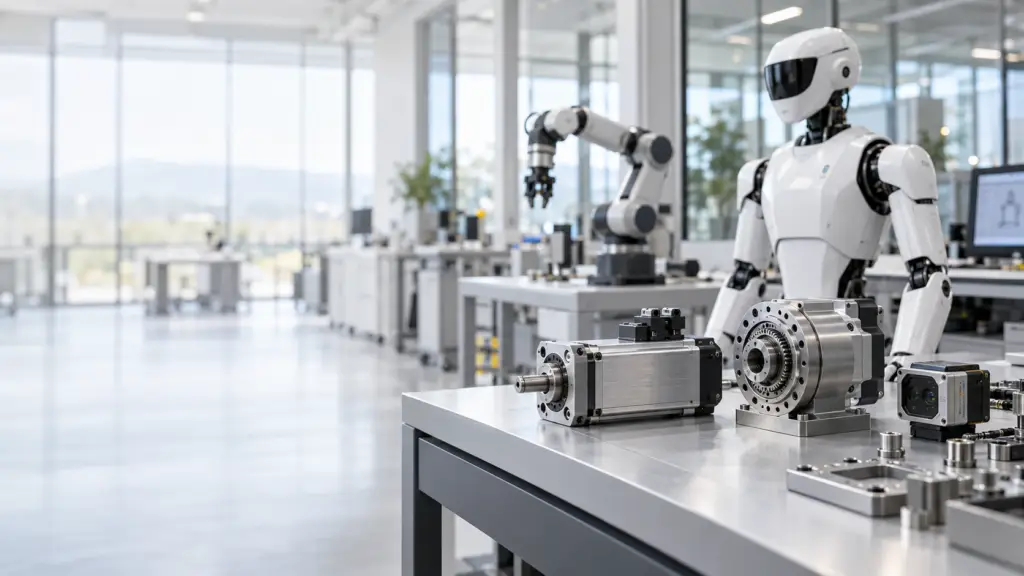
Precision robotics components on a workbench with a humanoid robot and industrial robotic arm in a bright facility.

DEPLOY

Integration relationships, deployment planning, and operational considerations.

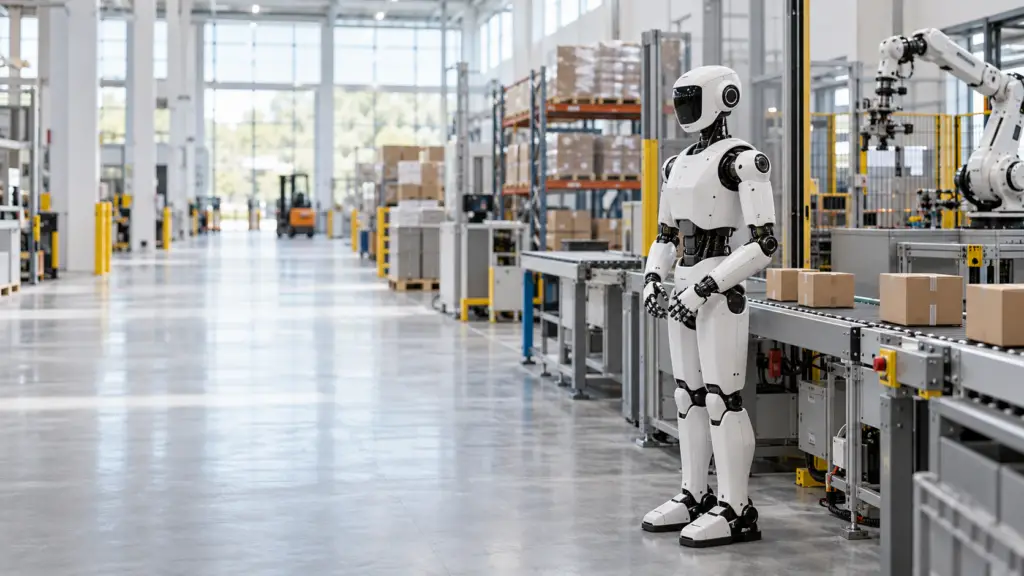
Humanoid robot beside a conveyor with packaged goods and an industrial robotic arm in a bright warehouse.

UNDERSTAND

Research, market intelligence, and emerging industry developments.

Humanoid robot beside a precision actuator and laptop in a bright robotics showroom.
Explore What We Do

EXPLORE MORE INDUSTRIES

Robotics across commercial environments.

START A CONVERSATION

Exploring robotics for government or public-sector operations?

Whether you are evaluating infrastructure inspection, facility logistics, field robotics, hazardous-area systems, or emerging humanoid platforms, One Robotics Supply Group welcomes conversations with public-sector organizations, integrators, manufacturers, and qualified partners.