
CAPABILITIES / PARTS & COMPONENTS
Robotics Parts & Components
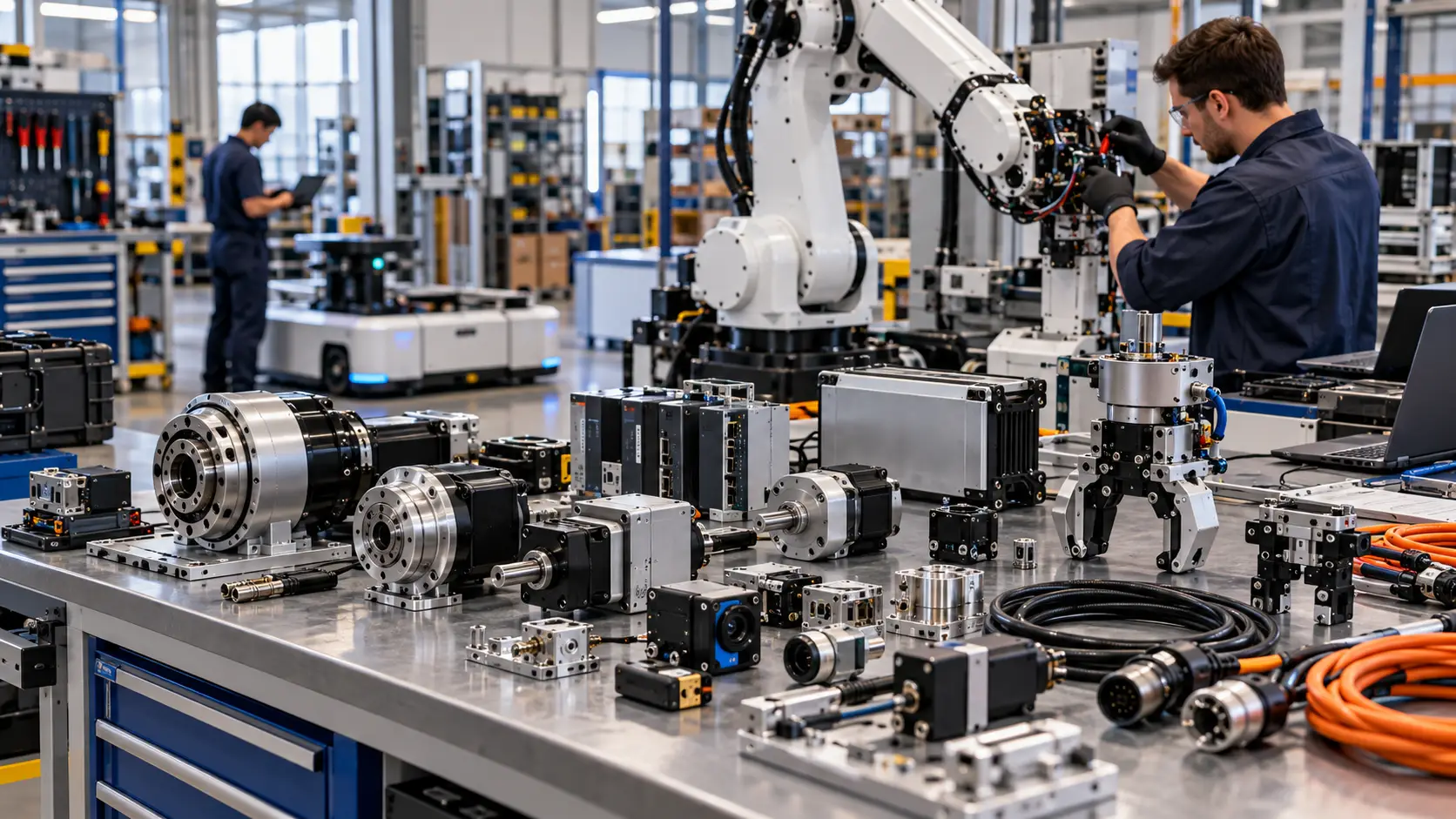
Commercial robotics depends on a large ecosystem of components, replacement parts, accessories, batteries, sensors, actuators, end effectors, and supporting hardware. Availability, compatibility, serviceability, and long-term supply can be just as important as the original robotic platform.
One Robotics Supply Group is building relationships and commercial infrastructure across the robotics ecosystem to help organizations better navigate these decisions.
THE CAPABILITY
The robot is only one layer of the system.
Robotics depends on more than the finished machine. Explore twelve component categories, from motion and manipulation to perception, power and computing. Compatibility, replacement parts and aftermarket support remain important considerations throughout a robot’s operating life.
PARTS & COMPONENTS
The components that keep robotic systems operating.

Robot Actuators
Motion-producing assemblies for torque, speed and controlled movement.
Explore Category
Robot Joints
Integrated joint modules connecting motors, gearing, feedback and mechanical interfaces.
Explore Category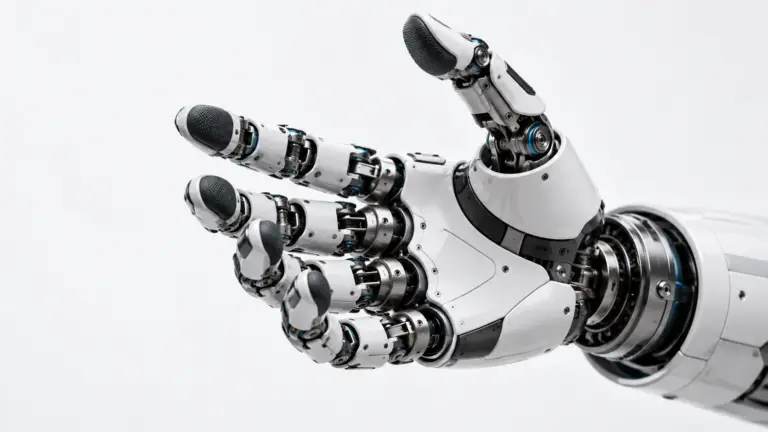
Robotic Hands
Multi-finger mechanisms for dexterous grasping and adaptive manipulation.
Explore Category
Robot Grippers
End effectors selected around object geometry, payload and handling tasks.
Explore Category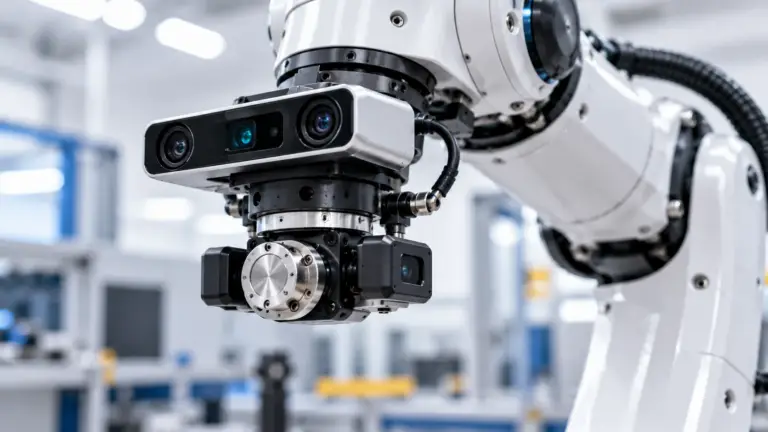
Robotics Sensors
Position, force, proximity and other measurements for perception and control.
Explore Category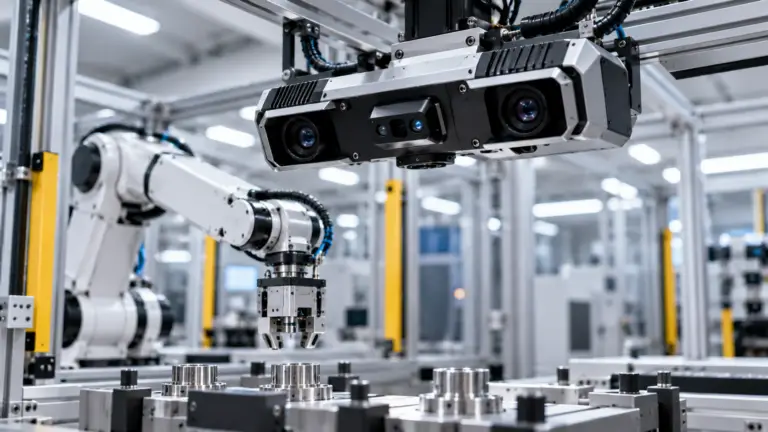
Vision Systems
Cameras and depth sensing for object detection, inspection and guidance.
Explore Category
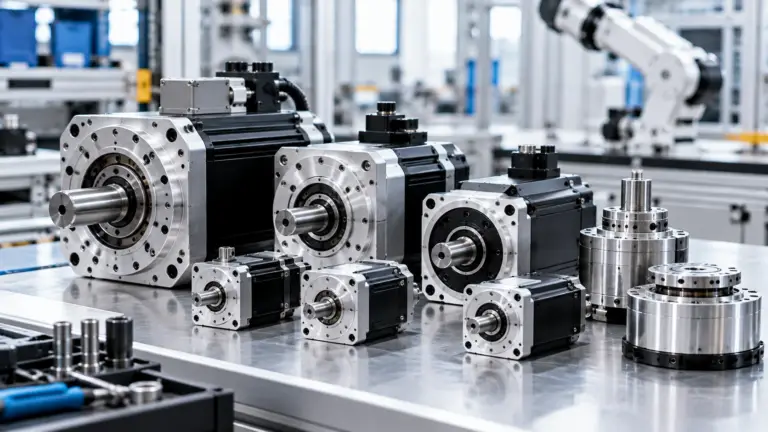
Robotics Motors
Electric motors evaluated for torque, speed, efficiency and thermal limits.
Explore Category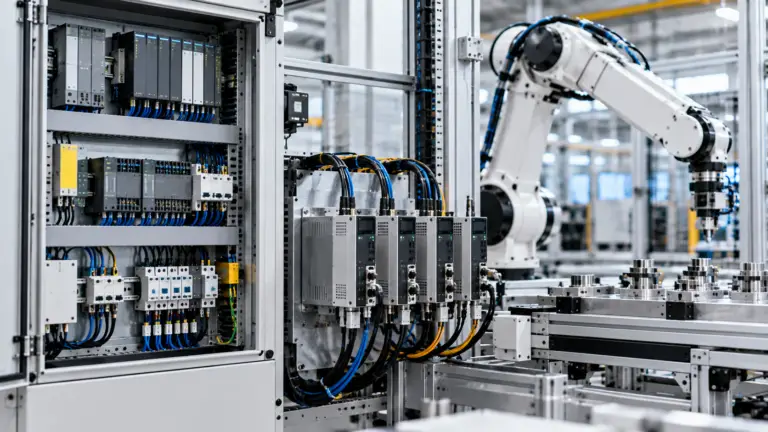
Motion Control
Controllers, drives and feedback coordinating synchronized robotic motion.
Explore Category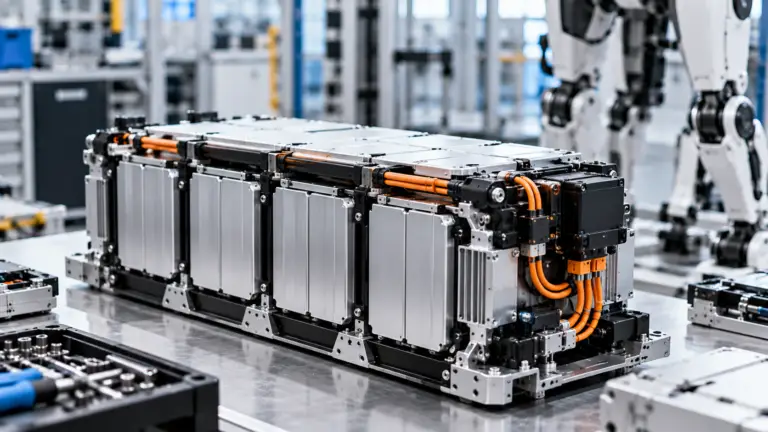
Robotics Batteries
Energy storage, battery management and charging for mobile robotic systems.
Explore Category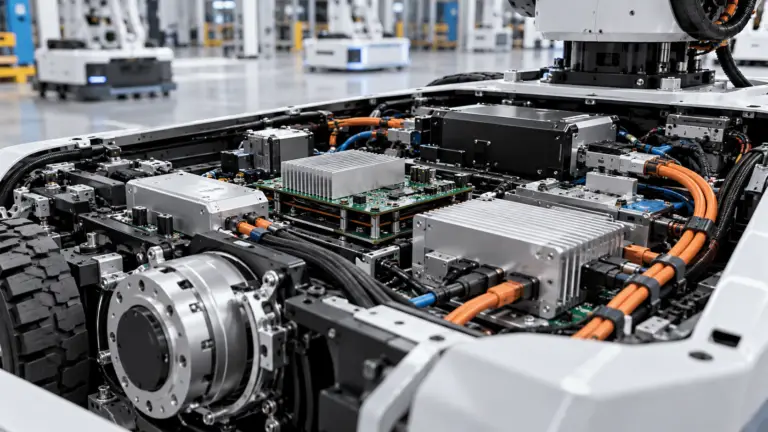
Robotics Electronics
Embedded boards, interfaces and power electronics connecting robot subsystems.
Explore Category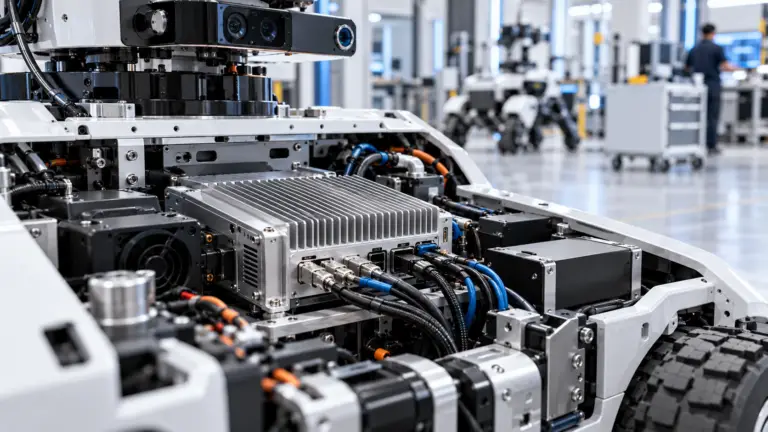
AI Computing
Edge processors and computing platforms for perception, planning and autonomy.
Explore CategoryFROM IDENTIFICATION TO SUPPORT
A parts strategy connects compatibility, sourcing and ongoing support.
01 →
IDENTIFY
Define the platform, component, part number, compatibility requirements, and operating conditions.
02 →
VERIFY
Confirm fit, function, supplier credibility, availability, lead time, and technical documentation.
03 →
SOURCE
Evaluate OEM, authorized, compatible, and aftermarket sourcing options where appropriate.
04 →
STOCK
Determine critical spares, expected wear items, and inventory requirements.
05 →
SUPPORT
Maintain documentation, supplier contacts, replacement planning, and lifecycle visibility.
EVALUATION FRAMEWORK
Questions to answer before moving forward.
01
Is the component OEM, authorized, compatible, or aftermarket?
02
What exact platform, model, or subsystem is it designed for?
03
What documentation confirms compatibility?
04
What are current lead times and minimum order requirements?
05
Is the part field-replaceable or does it require specialized service?
06
What warranty or return terms apply?
07
How frequently is the component expected to wear or fail?
08
Are equivalent or backup suppliers available?
09
How should critical spares be stocked?
10
Is the component likely to remain available over the expected system life?
ONE ROBOTICS SUPPLY GROUP
Building commercial infrastructure for the robotics economy.
One Robotics Supply Group is developing specialized businesses, relationships, and resources across the commercial robotics ecosystem.
Our focus extends beyond individual robotic platforms to the broader infrastructure organizations may need to evaluate, source, deploy, support, and understand robotics over time.
SOURCE
Robotics manufacturers, platforms, equipment, and supplier relationships.
EQUIP
Parts, accessories, components, and supporting technologies.
DEPLOY
Integration relationships, deployment planning, and operational considerations.
UNDERSTAND
Research, market intelligence, and emerging industry developments.

RELATED CAPABILITIES
Parts and components connect to the broader robotics lifecycle.
EXPLORE THE ECOSYSTEM
Connect this capability to real-world robotics decisions.
Industries
Explore robotics across manufacturing, warehousing, logistics, construction, agriculture, mining, healthcare, oil and gas, government, hospitality, and other commercial sectors.
Explore IndustriesApplications
Explore robotics through material handling, machine tending, inspection, internal logistics, packaging, workforce support, and other operational workflows.
Explore ApplicationsSTART A CONVERSATION
Exploring this capability for a commercial robotics requirement?
Whether you are evaluating suppliers, systems, deployment requirements, support needs, research, or commercial structures, One Robotics Supply Group welcomes conversations across the emerging robotics ecosystem.