One Robotics Supply Group

INDUSTRIES / OIL & GAS

Robotics for Oil & Gas

Oil and gas operators manage large, complex industrial assets where inspection, monitoring, difficult access, and worker exposure create practical opportunities for robotics.

One Robotics Supply Group is building relationships and commercial infrastructure across the robotics ecosystem to help organizations evaluate, source, deploy, and support emerging robotic technologies.
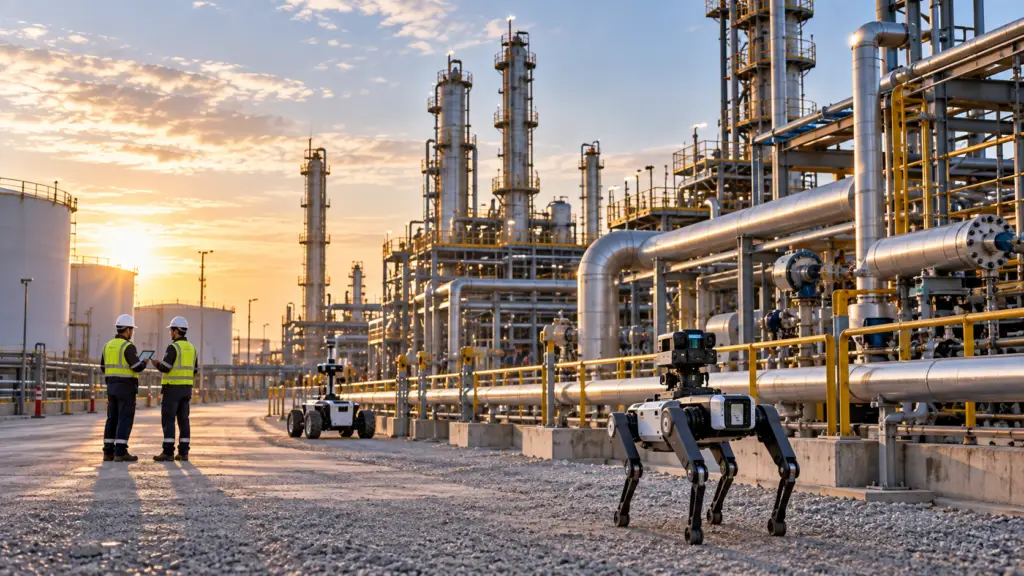
Autonomous inspection robots operate alongside workers at an oil and gas processing facility, supporting robotic inspection, hazardous environment operations, and energy industry automation

ENERGY & INDUSTRIAL ROBOTICS

Robotics can reduce exposure and extend inspection across complex energy infrastructure.

Oil and gas facilities contain extensive piping, rotating equipment, tanks, platforms, terminals, processing assets, and remote infrastructure that require continuous inspection and maintenance.

Robotic systems may support inspection in confined or difficult-access areas, leak detection, and selected material-handling or maintenance tasks.

The operating environment is demanding. Any deployment must consider hazardous-area requirements, environmental ratings, communications, cybersecurity, reliability, remote support, service availability, and the consequences of system failure around critical infrastructure.

OIL & GAS APPLICATIONS

Where robotics may support oil & gas operations.

Routine Facility Inspection

Autonomous robots may perform repeatable inspection routes using cameras, thermal imaging, acoustic sensors, gas sensors, or other instrumentation.

Remote & Difficult Access

Robotic platforms may inspect areas that are elevated, confined, remote, hot, noisy, or otherwise difficult to access routinely.

Leak & Condition Monitoring

Sensor-equipped systems may support detection and documentation of abnormal conditions around piping, valves, pumps, tanks, and processing equipment.

Tank, Pipe & Structural Inspection

Specialized robots may support selected inspection workflows involving tanks, vessels, piping, structures, and other industrial assets.

Material & Tool Movement

Mobile systems may assist with moving tools, parts, samples, or supplies between work areas in larger facilities.

Maintenance Preparation

Emerging manipulation systems may eventually support selected setup, repetitive handling, and preparation tasks around maintenance activities.

THE TECHNOLOGY SHIFT

Industrial inspection is moving toward persistent, mobile sensing.

Many energy facilities already use fixed sensors and specialized inspection tools. Mobile robotics adds the ability to bring sensing equipment to different assets, repeat routes, and gather consistent observations over time.

Autonomous ground robots, drones, crawlers, and other platforms can address different parts of the inspection problem depending on the environment and asset type.

More capable manipulation and humanoid systems may eventually support tasks that require interaction with controls, tools, valves, doors, or equipment designed for people. Adoption will depend on certification, safety, reliability, cybersecurity, and field service.

COMMERCIAL REQUIREMENTS

Successful robotics adoption requires more than hardware.

01

Sourcing & Procurement

Identify suitable manufacturers, platforms, equipment, and supporting technologies for the specific operating environment and workflow.

02

Parts & Components

Plan for batteries, chargers, accessories, sensors, replacement components, tooling, and other equipment required over the system lifecycle.

03

Integration & Deployment

Evaluate how robotics will interact with facilities, software, people, workflows, controls, and existing equipment.

04

Research & Intelligence

Understand manufacturers, capabilities, market maturity, deployment evidence, and technology development before committing to a platform.

05

Financing & Commercial Models

Evaluate purchasing, leasing, financing, robotics-as-a-service, or other commercial structures where appropriate.

06

Lifecycle Support

Plan for training, maintenance, software updates, spare parts, field service, warranty, and long-term equipment availability.

EMERGING HUMANOID SYSTEMS

Humanoid systems may have future value in human-designed industrial facilities.

Industrial plants are filled with stairs, walkways, control panels, doors, hand tools, valves, switches, and work areas intended for trained personnel. Humanoid form factors may eventually allow robotic systems to navigate and interact with some of that existing infrastructure.

Potential future applications could include inspection rounds, tool transport, basic equipment checks, documentation, selected manipulation, and work in areas where reducing exposure is valuable.

Energy operators should require clear evidence around hazardous-area suitability, reliability, remote-control fallback, cybersecurity, environmental sealing, battery safety, emergency stop behavior, service response, and support for long asset lifecycles.

Explore Humanoid Robotics

EVALUATING ROBOTICS

Questions oil & gas decision-makers should answer before deployment.

01

Which inspection or operational task creates the greatest exposure, travel time, or access challenge?

02

Does the deployment area have hazardous-location, explosive-atmosphere, or other certification requirements?

03

What gases, heat, moisture, corrosion, dust, vibration, or weather must the system tolerate?

04

What sensing package is required for the inspection objective?

05

How will the robot communicate in remote, offshore, underground, or shielded environments?

06

What cybersecurity and network-segmentation requirements apply?

07

How will the system respond to loss of communications, low battery, or sensor failure?

08

What maintenance, spare parts, and field-service capability is available?

09

Can data be integrated into existing inspection, maintenance, or asset-management systems?

10

What operational value is created when inspection frequency, labor, downtime, and risk reduction are considered together?

ONE ROBOTICS SUPPLY GROUP

Building commercial infrastructure for the robotics economy.

One Robotics Supply Group is developing specialized businesses, relationships, and resources across the commercial robotics ecosystem.

For oil & gas organizations, that means looking beyond an individual robot toward sourcing, supporting technologies, integration relationships, deployment planning, research, and long-term equipment support.

SOURCE

Robotics manufacturers, platforms, equipment, and supplier relationships.

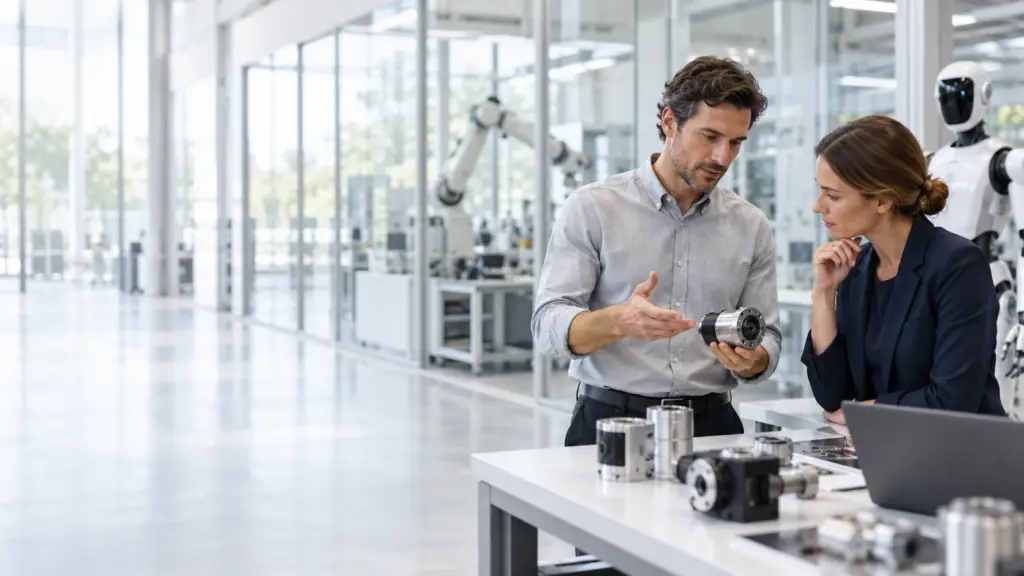
Two professionals discussing a robotics component with humanoid and industrial robots in the background.

EQUIP

Parts, accessories, components, and supporting technologies.

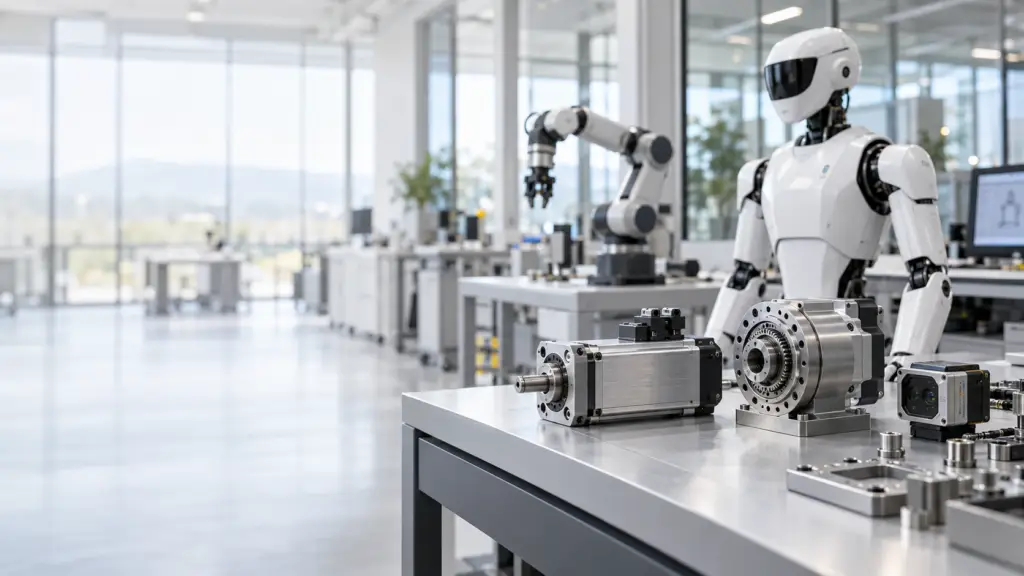
Precision robotics components on a workbench with a humanoid robot and industrial robotic arm in a bright facility.

DEPLOY

Integration relationships, deployment planning, and operational considerations.

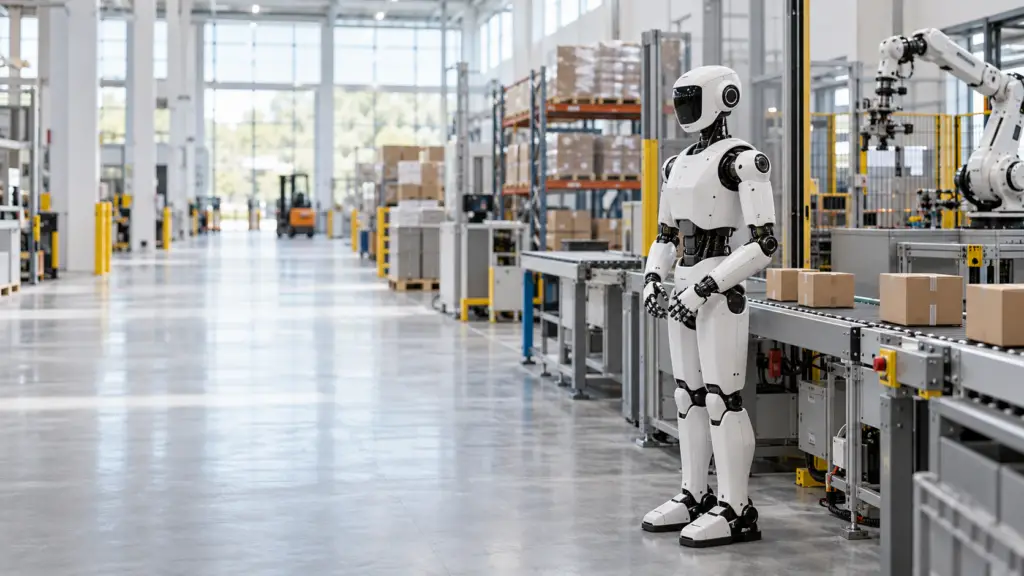
Humanoid robot beside a conveyor with packaged goods and an industrial robotic arm in a bright warehouse.

UNDERSTAND

Research, market intelligence, and emerging industry developments.

Humanoid robot beside a precision actuator and laptop in a bright robotics showroom.
Explore What We Do

EXPLORE MORE INDUSTRIES

Robotics across commercial environments.

START A CONVERSATION

Exploring robotics for oil, gas, or industrial energy operations?

Whether you are evaluating autonomous inspection, difficult-access robotics, emerging humanoid platforms, or the commercial infrastructure behind deployment, One Robotics Supply Group welcomes conversations with operators, service companies, manufacturers, and technology partners.