One Robotics Supply Group

INDUSTRIES / CONSTRUCTION

Robotics for Construction

Construction combines changing environments, heavy physical work, complex coordination, and safety-critical tasks, creating a distinct set of opportunities for practical robotics.

One Robotics Supply Group is building relationships and commercial infrastructure across the robotics ecosystem to help organizations evaluate, source, deploy, and support emerging robotic technologies.
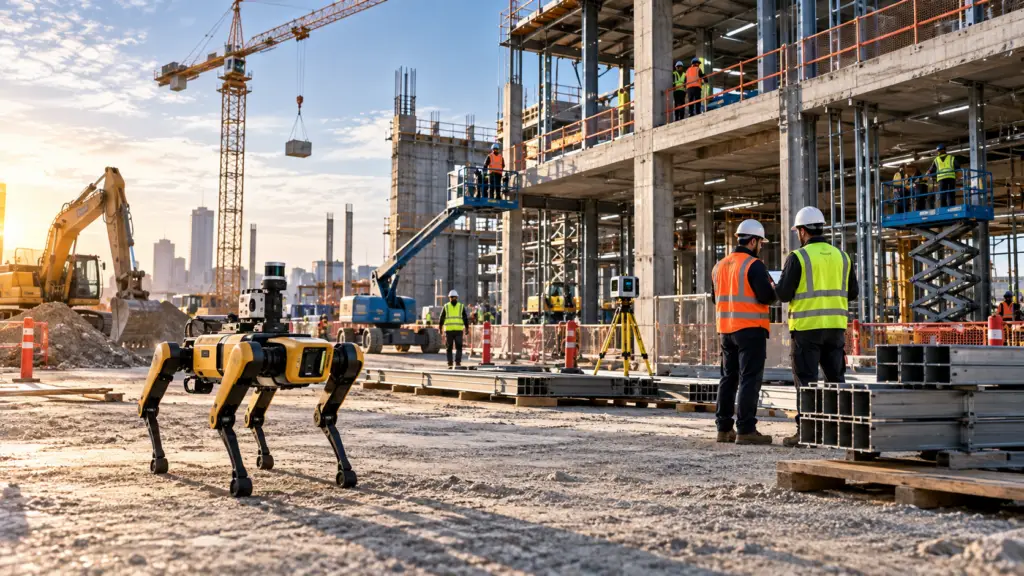

Robotics for construction operating alongside workers, cranes, and heavy equipment at an active commercial construction site

CONSTRUCTION ROBOTICS

Construction robotics is moving from specialized machines toward more adaptable jobsite systems.

Construction combines heavy physical work, changing environments, safety-critical workflows, and significant variation from one project phase to the next. Those conditions make automation more difficult than in a fixed factory, but they also create valuable opportunities for robotics.

Robotic systems may support repetitive layout, inspection, material movement, documentation, scanning, selected finishing tasks, and operations in areas where reducing worker exposure is valuable.

Successful deployment requires technology that can tolerate dust, uneven surfaces, weather, frequent changes to the work area, limited connectivity, and the realities of active jobsites. Contractors also need practical service, operator training, charging or fueling plans, and clear responsibility for integration.

CONSTRUCTION APPLICATIONS

Where robotics may support construction operations.

Site Inspection & Documentation

Mobile robots, drones, and sensor platforms may support progress capture, scanning, inspection, and documentation across active jobsites.

Material Movement

Robotic platforms may assist with moving tools, materials, carts, panels, or supplies between staging areas and work zones.

Layout & Measurement

Automated systems may support repeatable marking, scanning, measurement, and layout workflows in selected applications.

Repetitive Task Support

Specialized robotic equipment may assist with selected drilling, finishing, fastening, surface preparation, or other repetitive construction tasks.

Hazardous Area Access

Robotics may be useful for inspection or monitoring in unstable, confined, elevated, contaminated, or otherwise higher-risk areas.

Equipment & Asset Monitoring

Autonomous inspection systems may help monitor machinery, temporary infrastructure, site conditions, and security-related areas.

THE TECHNOLOGY SHIFT

Jobsite automation is becoming more mobile, intelligent, and task-specific.

Construction equipment has long automated large-scale earthmoving, lifting, and transport, but many tasks still depend on human adaptability because the jobsite changes constantly.

Newer robotic platforms combine mobility, sensing, autonomy, and computer vision to work in environments that are less structured than traditional industrial automation.

As capabilities improve, contractors may be able to automate more measurement, inspection, movement, and repetitive physical tasks without building an entirely controlled environment around the machine. Durability, setup time, transportability, safety, and field support will remain critical.

COMMERCIAL REQUIREMENTS

Successful robotics adoption requires more than hardware.

01

Sourcing & Procurement

Identify suitable manufacturers, platforms, equipment, and supporting technologies for the specific operating environment and workflow.

02

Parts & Components

Plan for batteries, chargers, accessories, sensors, replacement components, tooling, and other equipment required over the system lifecycle.

03

Integration & Deployment

Evaluate how robotics will interact with facilities, software, people, workflows, controls, and existing equipment.

04

Research & Intelligence

Understand manufacturers, capabilities, market maturity, deployment evidence, and technology development before committing to a platform.

05

Financing & Commercial Models

Evaluate purchasing, leasing, financing, robotics-as-a-service, or other commercial structures where appropriate.

06

Lifecycle Support

Plan for training, maintenance, software updates, spare parts, field service, warranty, and long-term equipment availability.

EMERGING HUMANOID SYSTEMS

Humanoid robots may become relevant to construction tasks designed around human tools and access.

Construction sites contain ladders, stairs, handles, hand tools, carts, temporary pathways, and work areas that are fundamentally designed around human movement.

If humanoid systems become sufficiently rugged and reliable, potential applications could include inspection, material transport, tool delivery, repetitive handling, selected finishing work, or support in areas where reducing exposure is valuable.

Construction buyers should be especially cautious about environmental ratings, balance and mobility on uneven surfaces, dust and water resistance, battery life, recovery from falls or faults, transport between sites, operator training, and field-service capability.

Explore Humanoid Robotics

EVALUATING ROBOTICS

Questions construction decision-makers should answer before deployment.

01

What specific jobsite task is repetitive, hazardous, difficult to staff, or costly to complete manually?

02

How often does the work area, surface, or workflow change during the project?

03

What terrain, stairs, slopes, dust, water, heat, or weather must the system tolerate?

04

What payload, reach, precision, mobility, or tool compatibility is required?

05

How will the system be transported, secured, charged, and stored on site?

06

What safety controls are required around workers and subcontractors?

07

How much setup or mapping is required each time the work area changes?

08

What connectivity is required, and can the system operate when connectivity is limited?

09

What field service, spare parts, and replacement equipment are available?

10

Can the economics work across multiple projects rather than a single jobsite?

ONE ROBOTICS SUPPLY GROUP

Building commercial infrastructure for the robotics economy.

One Robotics Supply Group is developing specialized businesses, relationships, and resources across the commercial robotics ecosystem.

For construction organizations, that means looking beyond an individual robot toward sourcing, supporting technologies, integration relationships, deployment planning, research, and long-term equipment support.

SOURCE

Robotics manufacturers, platforms, equipment, and supplier relationships.

Two professionals discussing a robotics component with humanoid and industrial robots in the background.

EQUIP

Parts, accessories, components, and supporting technologies.

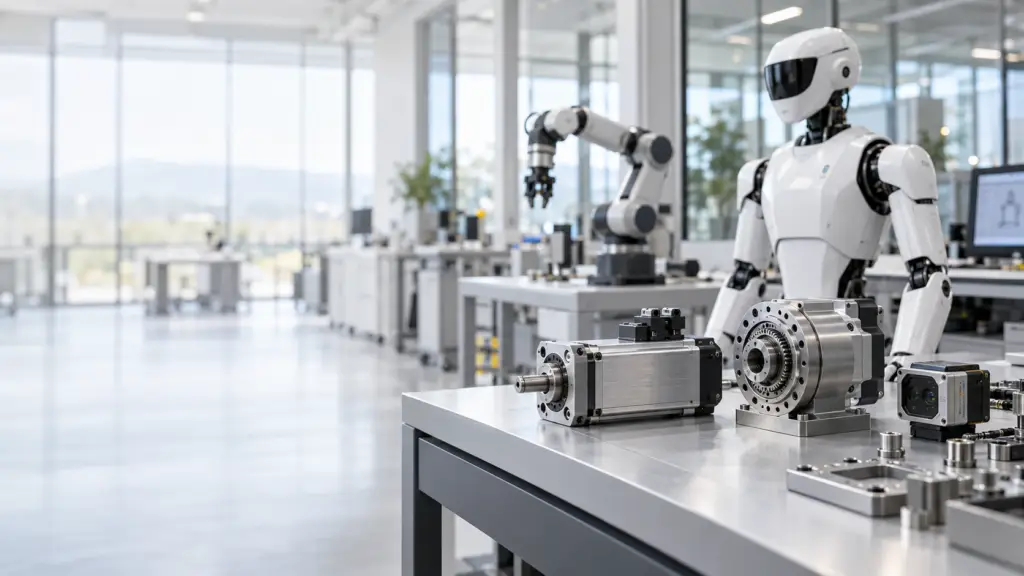
Precision robotics components on a workbench with a humanoid robot and industrial robotic arm in a bright facility.

DEPLOY

Integration relationships, deployment planning, and operational considerations.

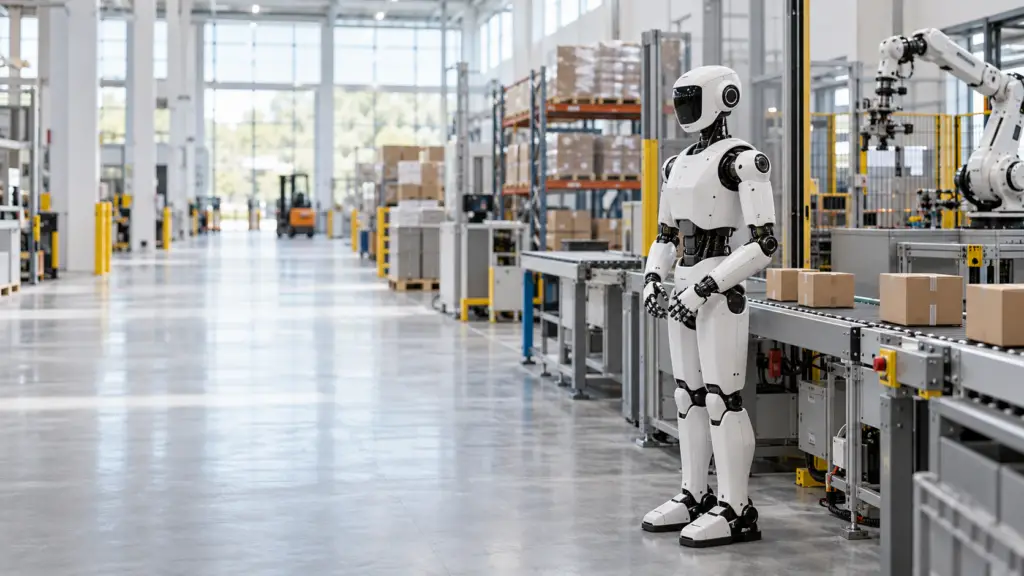
Humanoid robot beside a conveyor with packaged goods and an industrial robotic arm in a bright warehouse.

UNDERSTAND

Research, market intelligence, and emerging industry developments.

Humanoid robot beside a precision actuator and laptop in a bright robotics showroom.
Explore What We Do

EXPLORE MORE INDUSTRIES

Robotics across commercial environments.

START A CONVERSATION

Exploring robotics for construction projects or field operations?

Whether you are evaluating inspection systems, material movement, specialized jobsite automation, emerging humanoid platforms, or supplier relationships, One Robotics Supply Group welcomes conversations with contractors, owners, technology providers, and industry partners.