One Robotics Supply Group

INDUSTRIES / WAREHOUSING

Robotics for Warehousing

Warehouses are becoming increasingly coordinated environments where people, software, automation, and mobile robotic systems work together to move inventory through receiving, storage, picking, packing, and shipping.

One Robotics Supply Group is building relationships and commercial infrastructure across the robotics ecosystem to help organizations evaluate, source, deploy, and support emerging robotic technologies.
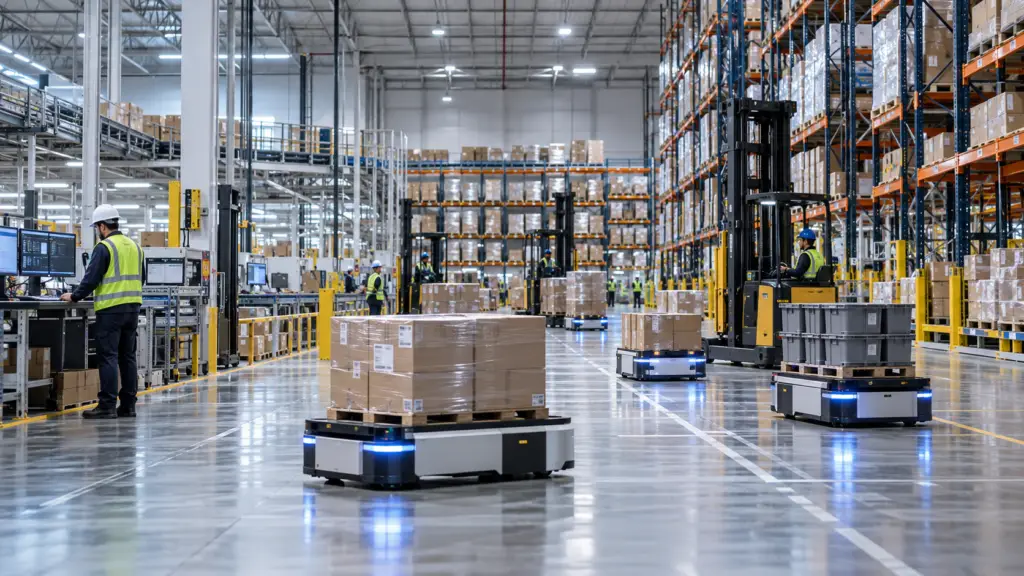

Commercial robotics operating in a modern warehousing environment

WAREHOUSING AUTOMATION

Robotics is reshaping how goods move through modern warehouses.

Warehouses are increasingly becoming coordinated environments where people, software, conveyors, autonomous mobile robots, and other automated systems work together to move inventory with greater consistency.

The strongest robotics opportunities are often found in repetitive travel, material movement, case handling, replenishment, inspection, and other workflows that create significant walking, lifting, or transfer time for employees.

As robotic platforms become more mobile and adaptable, warehouse operators can evaluate automation at the workflow level rather than assuming every task requires fixed infrastructure. Deployment still depends on facility layout, traffic patterns, safety, software integration, uptime, service access, and the economics of the specific use case.

WAREHOUSING APPLICATIONS

Where robotics may support warehousing operations.

Pallet & Tote Movement

Autonomous mobile robots and other robotic platforms may move pallets, totes, carts, and containers between receiving, storage, picking, packing, and shipping zones.

Replenishment Support

Robotics may assist with moving inventory from reserve storage to forward pick locations and other replenishment workflows.

Picking Assistance

Mobile and manipulation systems may support selected picking tasks, goods-to-person workflows, or movement of picked orders between work areas.

Sortation & Routing

Robotic systems may help route packages, containers, and inventory to appropriate downstream areas when integrated with warehouse software and controls.

Cycle Counts & Inspection

Autonomous platforms equipped with cameras or sensors may support inventory verification, rack inspection, and facility monitoring.

Dock-to-Stock Movement

Robotics may reduce repetitive transport between loading docks, receiving areas, staging zones, and storage locations.

THE TECHNOLOGY SHIFT

From fixed automation to flexible movement across the warehouse.

Conveyors and fixed automation remain highly effective for predictable, high-volume flows, but they are not always practical for facilities with changing layouts, mixed inventory, or variable demand.

Mobile robotics provides a different model. Autonomous platforms can navigate shared warehouse environments, connect separate process areas, and be redeployed as workflows change.

Emerging manipulation and humanoid systems may eventually extend that flexibility into tasks involving carts, shelves, doors, containers, tools, and workstations originally designed around people. The practical value of each system will depend on reliability, safety, throughput, integration, and support.

COMMERCIAL REQUIREMENTS

Successful robotics adoption requires more than hardware.

01

Sourcing & Procurement

Identify suitable manufacturers, platforms, equipment, and supporting technologies for the specific operating environment and workflow.

02

Parts & Components

Plan for batteries, chargers, accessories, sensors, replacement components, tooling, and other equipment required over the system lifecycle.

03

Integration & Deployment

Evaluate how robotics will interact with facilities, software, people, workflows, controls, and existing equipment.

04

Research & Intelligence

Understand manufacturers, capabilities, market maturity, deployment evidence, and technology development before committing to a platform.

05

Financing & Commercial Models

Evaluate purchasing, leasing, financing, robotics-as-a-service, or other commercial structures where appropriate.

06

Lifecycle Support

Plan for training, maintenance, software updates, spare parts, field service, warranty, and long-term equipment availability.

EMERGING HUMANOID SYSTEMS

Humanoid robots could eventually operate across human-designed warehouse workflows.

Warehouses are frequently designed around human reach, walking paths, carts, shelving, ladders, handles, and workstations. That makes the category a natural testing ground for more human-compatible robotic platforms.

Potential future applications may include tote movement, case handling, replenishment, inspection, trailer or container support, selected picking tasks, and other workflows that require mobility plus manipulation.

Operators should evaluate sustained throughput, battery runtime, payload, grasp reliability, navigation, safety, recovery from errors, service response, and total cost of ownership rather than assuming a successful demonstration will translate directly to production.

Explore Humanoid Robotics

EVALUATING ROBOTICS

Questions warehousing decision-makers should answer before deployment.

01

Which warehouse movement or handling task creates the most avoidable labor or travel time?

02

Is the workflow consistent enough for current robotic technology?

03

What payload, lift height, mobility, reach, or gripping capability is required?

04

How will robots navigate around people, forklifts, racks, docks, and temporary obstacles?

05

What WMS, WES, ERP, or control-system integration is required?

06

What throughput and uptime are needed during peak periods?

07

How will charging, battery swapping, maintenance, and spare parts be handled?

08

What happens when a robot encounters an exception or blocked route?

09

Can the deployment expand to additional zones or facilities without a complete redesign?

10

What is the expected total cost per completed task or unit moved?

RELATED RESEARCH

Evaluate warehouse flow before selecting a fleet.

The Warehousing and Distribution Robotics report from our related research website, Humanoid Robotics Reports, helps frame workload, fleet handoff, WMS/WES integration and pilot acceptance questions for warehouse evaluation.

Explore the Warehouse Report

ONE ROBOTICS SUPPLY GROUP

Building commercial infrastructure for the robotics economy.

One Robotics Supply Group is developing specialized businesses, relationships, and resources across the commercial robotics ecosystem.

For warehousing organizations, that means looking beyond an individual robot toward sourcing, supporting technologies, integration relationships, deployment planning, research, and long-term equipment support.

SOURCE

Robotics manufacturers, platforms, equipment, and supplier relationships.

Two professionals discussing a robotics component with humanoid and industrial robots in the background.

EQUIP

Parts, accessories, components, and supporting technologies.

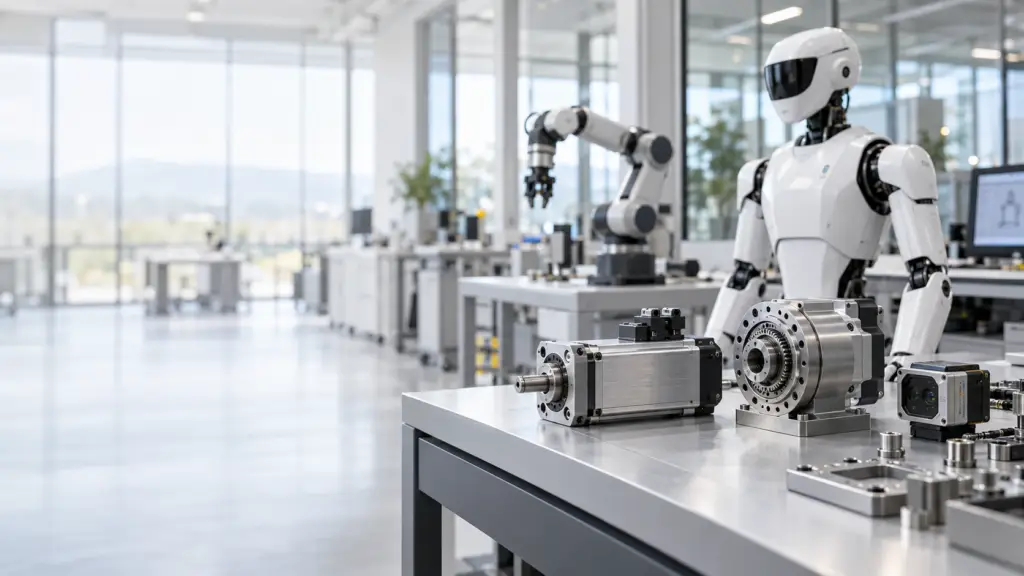
Precision robotics components on a workbench with a humanoid robot and industrial robotic arm in a bright facility.

DEPLOY

Integration relationships, deployment planning, and operational considerations.

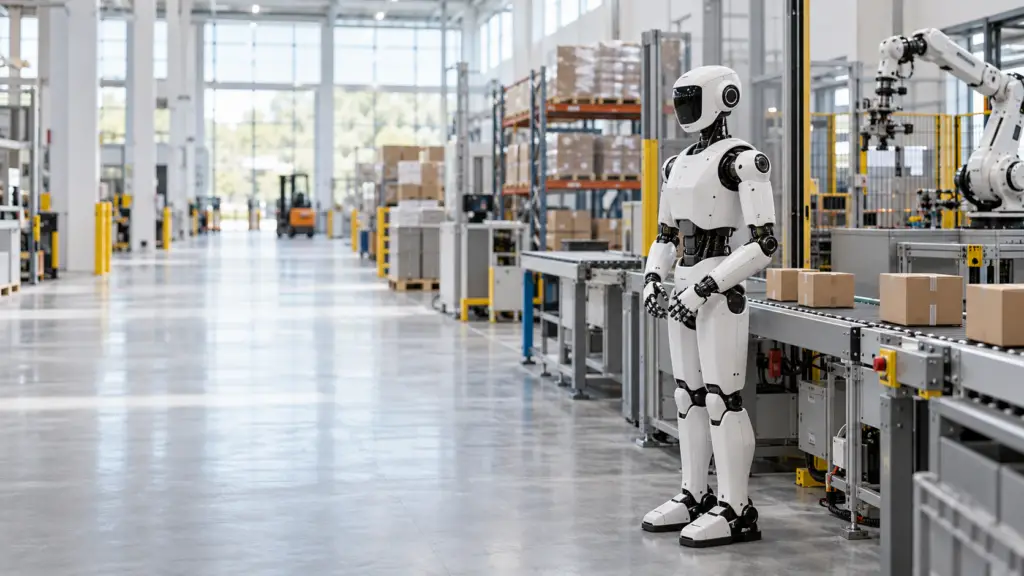
Humanoid robot beside a conveyor with packaged goods and an industrial robotic arm in a bright warehouse.

UNDERSTAND

Research, market intelligence, and emerging industry developments.

Humanoid robot beside a precision actuator and laptop in a bright robotics showroom.
Explore What We Do

EXPLORE MORE INDUSTRIES

Robotics across commercial environments.

START A CONVERSATION

Exploring robotics for your warehouse operation?

Whether you are evaluating warehouse robotics, sourcing equipment, or planning the supporting infrastructure around deployment, One Robotics Supply Group welcomes conversations with warehouse operators and technology partners preparing for the next generation of automation.