
INDUSTRIES / MANUFACTURING
Robotics for Manufacturing
Manufacturing has been one of the earliest adopters of industrial robotics, but the next generation of automation is expanding far beyond fixed robotic cells.
Advances in mobile robotics, artificial intelligence, machine vision, intelligent manipulation, and emerging humanoid platforms are creating new possibilities for manufacturers seeking greater flexibility across production environments.
One Robotics Supply Group is building relationships and commercial infrastructure across the robotics ecosystem to help organizations evaluate, source, deploy, and support emerging robotic technologies.
MANUFACTURING AUTOMATION
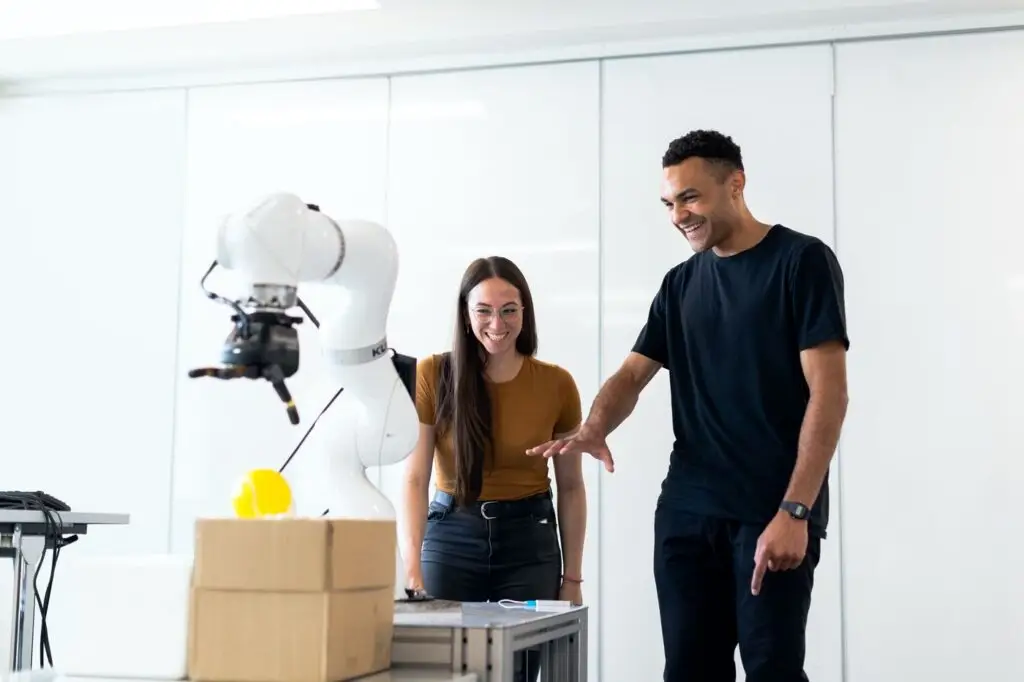
A broader generation of robotics is entering the factory.
Traditional industrial robotics has transformed manufacturing by automating highly repetitive and structured processes.
Today, manufacturers are evaluating a much broader range of robotic systems.
Autonomous mobile robots can move materials between production areas. Collaborative systems can operate alongside workers in selected workflows. Machine vision and intelligent automation can improve inspection and process monitoring.
Emerging humanoid robots may eventually expand automation into tasks and environments originally designed around human movement.
For manufacturers, selecting the right technology requires evaluating far more than the robot itself. Deployment conditions, integration, safety, support, spare parts, infrastructure, reliability, and long-term economics all matter.
MANUFACTURING APPLICATIONS
Where robotics may support manufacturing operations.
Material Handling
Robotic systems may assist with moving raw materials, components, containers, and work-in-progress inventory between production areas.
Machine Tending
Robotics may support repetitive loading, unloading, monitoring, and handling tasks around manufacturing equipment.
Assembly Support
Advanced robotic platforms may support repetitive, physically demanding, or ergonomically difficult assembly processes.
Inspection & Quality Control
Machine vision, sensors, and autonomous systems may support inspection, measurement, quality assurance, and process monitoring.
Packaging & Palletizing
Robotics can support sorting, packaging, case handling, palletizing, and other end-of-line operations.
Internal Logistics
Autonomous mobile robots and other systems may help move materials between storage, production, inspection, and shipping areas.
THE TECHNOLOGY SHIFT
From fixed automation to more adaptable systems.
Traditional industrial robots perform extremely well when tasks are repetitive, predictable, and highly structured.
Newer robotic systems are being developed to operate in environments that were originally built around people.
These technologies include autonomous mobile robots, collaborative systems, intelligent manipulation platforms, advanced machine vision, and emerging humanoid robots.
For manufacturers, these systems may create opportunities to automate workflows without completely redesigning facilities around permanently installed equipment.
Actual suitability will depend on the task, operating environment, reliability, safety requirements, integration needs, and economics.
COMMERCIAL REQUIREMENTS
Successful robotics adoption requires more than hardware.
01
Sourcing & Procurement
Identifying appropriate robotics manufacturers, platforms, equipment, and supporting technologies for specific operational requirements.
02
Parts & Components
Planning for batteries, accessories, replacement components, tooling, and other equipment required throughout the system lifecycle.
03
Integration & Deployment
Evaluating how robotic systems may interact with existing workflows, infrastructure, employees, software, and production equipment.
04
Research & Intelligence
Understanding manufacturers, technology development, commercial capabilities, market maturity, and emerging deployment trends.
05
Financing & Commercial Models
Exploring purchasing, financing, leasing, and other commercial approaches that may support practical robotics adoption.
06
Lifecycle Support
Considering maintenance, service availability, software updates, spare parts, and long-term equipment support before deployment.
EMERGING HUMANOID SYSTEMS
Humanoid robots may expand the range of manufacturing tasks that can be automated.
Humanoid robots are attracting significant interest because their human-like form may allow them to operate within facilities, workstations, tools, and processes originally designed for people.
Potential manufacturing applications may eventually include material movement, machine tending, inspection, kitting, repetitive handling, and selected assembly tasks.
The technology remains an emerging category, and capabilities vary significantly between platforms.
Manufacturers evaluating humanoid systems should consider real-world operating performance, reliability, payload, runtime, safety, service availability, integration requirements, and total cost of ownership rather than relying solely on demonstrations or headline specifications.
Explore Humanoid RoboticsEVALUATING ROBOTICS
Questions manufacturers should answer before deployment.
01
What specific workflow or operational problem is being addressed?
02
Is the task structured enough for currently available technology?
03
What payload, mobility, reach, or dexterity is required?
04
How will the robotic system interact with workers?
05
What equipment or software integration is required?
06
What level of reliability is required for the operation?
07
What maintenance and spare-part support is available?
08
What is the expected total cost of ownership?
09
Can the system scale across additional workflows or facilities?
10
What happens if the equipment goes offline?
RELATED RESEARCH
Research for food and beverage manufacturing.
Evaluating handling, packaging or palletizing in a food or beverage plant? The Food and Beverage Manufacturing Robotics report from our related research website, Humanoid Robotics Reports, explores product variation, hygiene, changeovers and acceptance criteria specific to these environments.
Explore Food & Beverage ResearchONE ROBOTICS SUPPLY GROUP
Building commercial infrastructure for the robotics economy.
One Robotics Supply Group is developing specialized businesses, relationships, and resources across the commercial robotics ecosystem.
Our focus extends beyond individual robotic platforms to the broader infrastructure organizations may need to evaluate, source, deploy, and support robotics over time.
SOURCE
Robotics manufacturers, platforms, equipment, and supplier relationships.

EQUIP
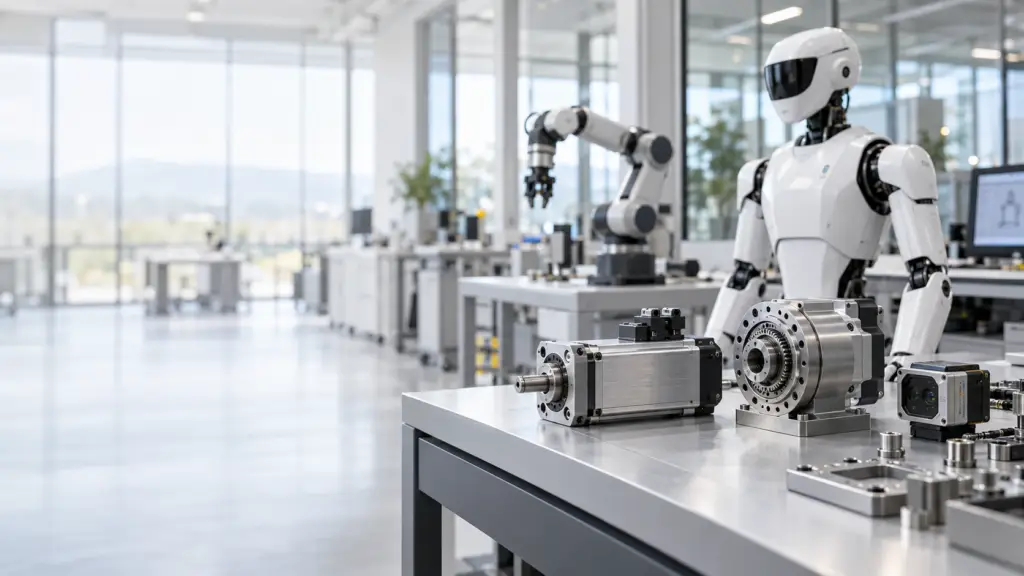
Parts, accessories, components, and supporting technologies.
DEPLOY
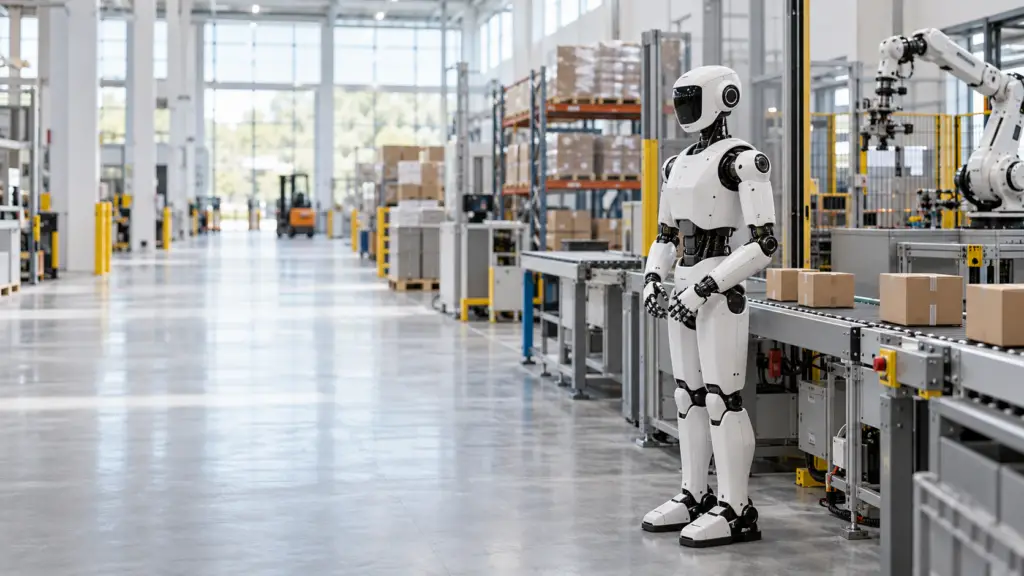
Integration relationships, deployment planning, and operational considerations.
UNDERSTAND
Research, market intelligence, and emerging industry developments.

EXPLORE MORE INDUSTRIES
Robotics across commercial environments.
START A CONVERSATION
Exploring robotics for your manufacturing operation?
Whether you are evaluating robotic equipment, researching available systems, exploring sourcing opportunities, or planning for future automation, One Robotics Supply Group welcomes conversations with organizations preparing for the next generation of commercial robotics.